Burst supply lines, overflowing water heaters, or midnight storm leaks flood rooms across Ranger, GA, within minutes. On-call extraction crews arrive rapidly with heavy vacuum units to remove standing water, dry wet framing, and protect your interior finishes. Local property owners receive round-the-clock response times paired with direct insurance billing support.
Pressurized pipe splits or sudden appliance overflows release gallons of water across floors in Ranger, GA before anyone notices the leak. Waiting until morning allows trapped moisture to wick up drywall sheets, swell door frames, and soak deep into subfloor timber. Voda Cleaning & Restoration of Northwest Georgia dispatches local trucks day or night to halt active flooding across Ranger, GA properties.
Field technicians trace hidden water paths behind baseboards and wall cavities using thermal imaging cameras and digital moisture probes. High-powered extraction wands pull pooling water out of carpets, padding, and hard flooring on arrival. When flooding reaches lower foundations, targeted crawl space drying prevents rising dampness from rotting floor joists underneath the house.
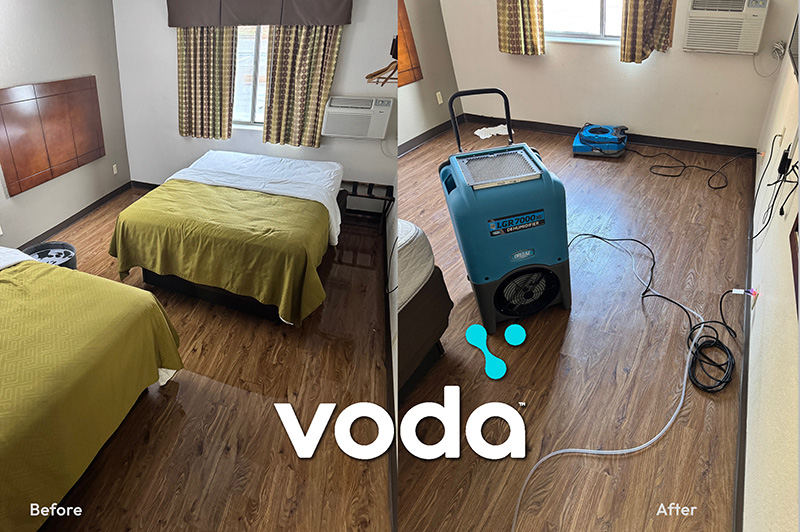
Fast water damage restoration that helps prevent further damage, quickly dry the property's structure, and make your home or property safe and livable again.
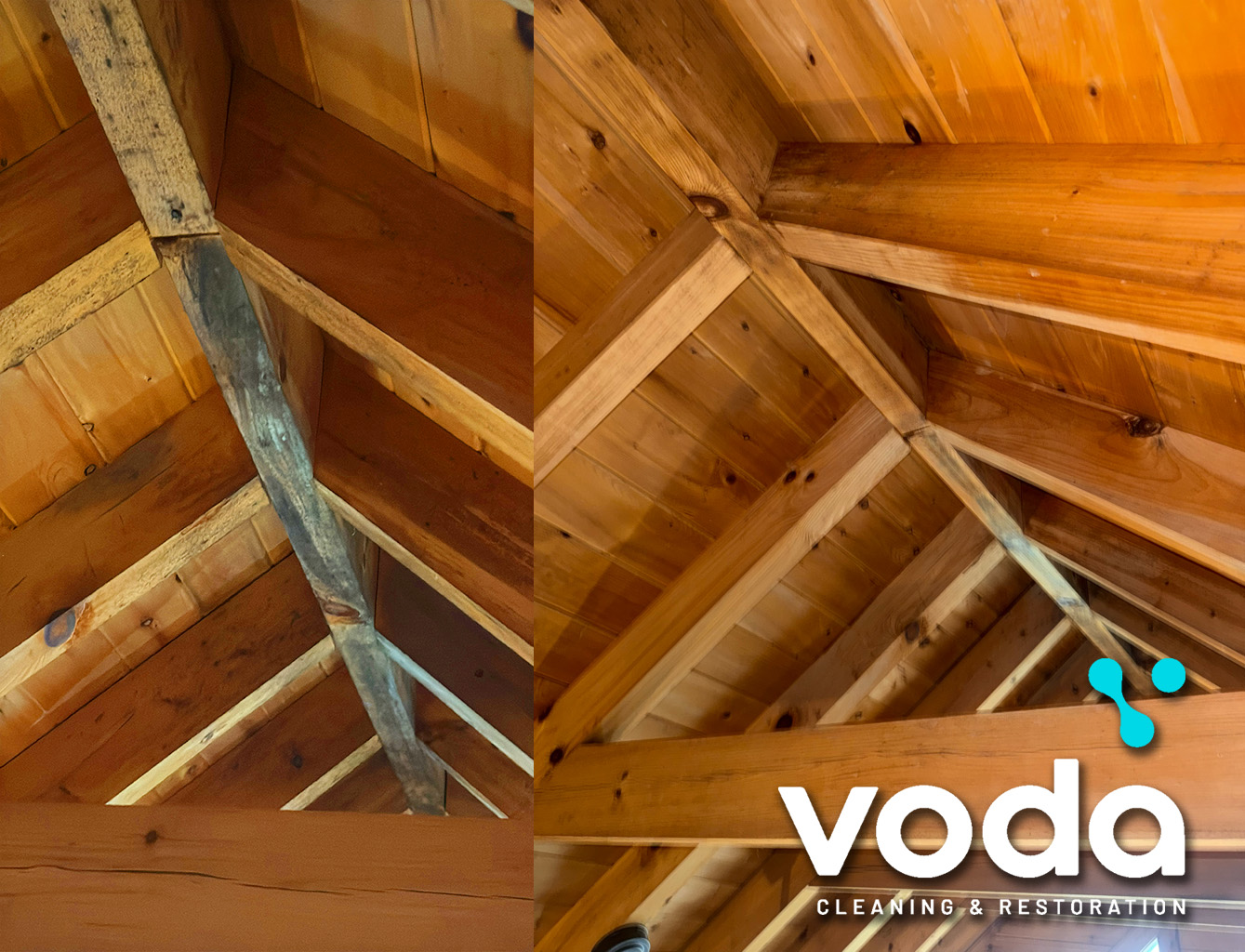
Reliable crawl space repair helps protect your home from humidity, mold, pests, and foundation problems.
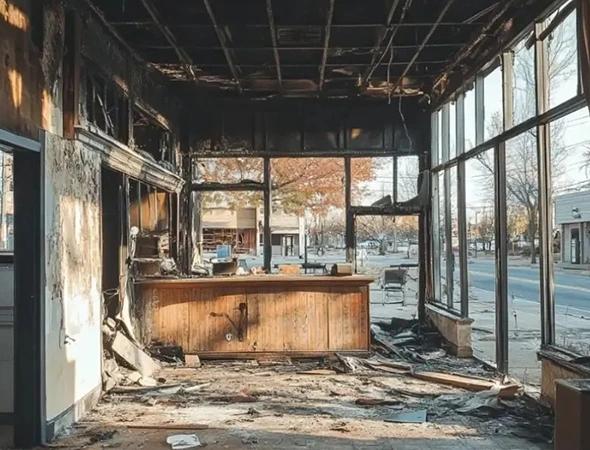
Our cost-effective fire recovery services focus on fast rebuilding, insurance support, and long-term property safety and stability.
Protect your home and health with the help of reliable local mold remediation professionals who are ready to assist you whenever you need it.
Choosing a restoration company after a water loss is stressful, so we keep things simple and honest. Here is what sets our team apart:
You reach a real person any hour of the day. We gather details, share safety steps you can take right away, and dispatch a crew to your Calhoun property. On arrival, our technicians stop the water source and use moisture meters and thermal imaging to map how far the water traveled, including behind walls and under floors.
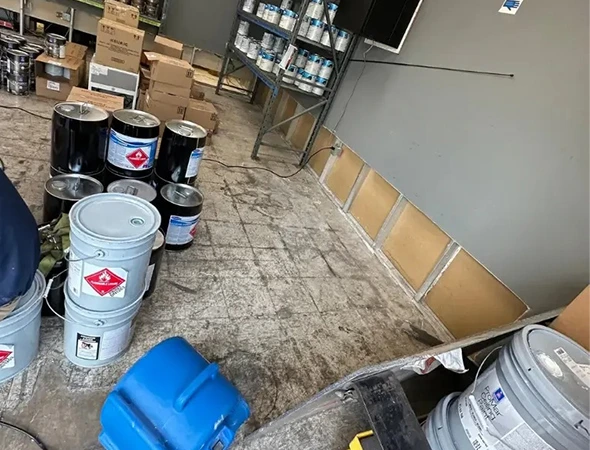
Truck mounted and portable extractors pull out standing water fast. Soaked carpet padding, wet insulation, and other materials that cannot be saved are removed and disposed of properly, which speeds up everything that follows.
Industrial air movers and dehumidifiers are placed strategically to draw moisture out of the structure. We return daily to check readings and adjust equipment until the numbers confirm the space is dry. Surfaces are then cleaned, deodorized, and treated with antimicrobial products to discourage mold.
We rebuild what was removed, from drywall and trim to flooring and paint, matching your existing finishes as closely as possible. Before we leave, we review the work with you and hand over full documentation for your insurance file.
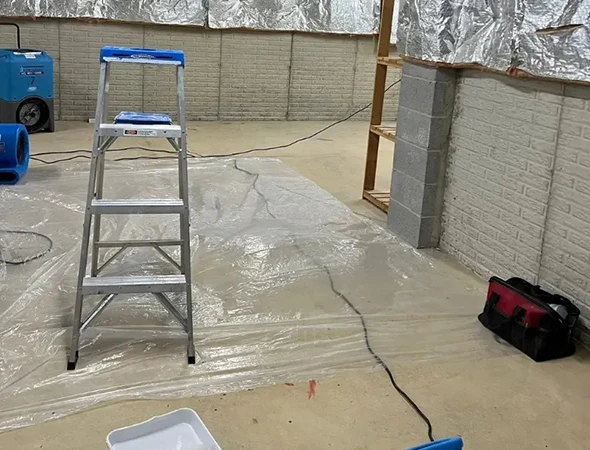
Heavy rain in Northwest Georgia can overwhelm storm drains and creeks quickly, leaving standing water in crawl spaces, garages, and finished basements. Flooding brings more than water. It carries mud, bacteria, and debris that soak into drywall, insulation, carpet padding, and subfloors, which means a shop vacuum and a few fans are rarely enough to make a property safe again.
Our team starts with a full assessment, then extracts the water, removes unsalvageable materials, and cleans and sanitizes every affected surface. Industrial dehumidifiers and air movers dry the structure completely while we monitor moisture readings daily until levels return to normal. Once the space is dry, we handle repairs such as flooring, drywall, and paint so your home or business looks the way it did before. Calhoun and Gordon County property owners can count on a clear plan, honest updates, and photo documentation for insurance from start to finish.
Fierce wind gusts across eastern Gordon County frequently lift roof shingles, crack vent boots, or tear metal flashing on homes in Ranger, GA. Rainwater pours through exposed roof decking, saturating attic fiberglass before dripping through bedroom ceilings downstairs. Immediate exterior tarping stops incoming rain while indoor crews begin emergency water damage restoration inside your Ranger, GA residence.
Technicians extract soaked attic insulation, dry damp roof rafters, and pull trapped water out of ceiling cavities. Applying botanical antimicrobial treatments across damp lumber stops hidden mold removal hazards from developing inside dark roof spaces. Once structural wood reaches safe dry standards, repair teams replace damaged drywall and ceiling paint.
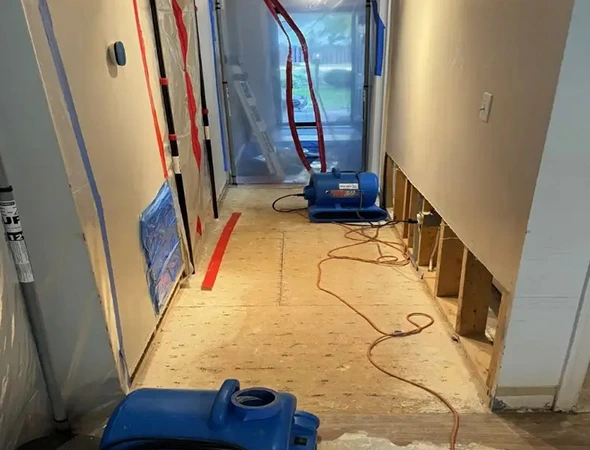
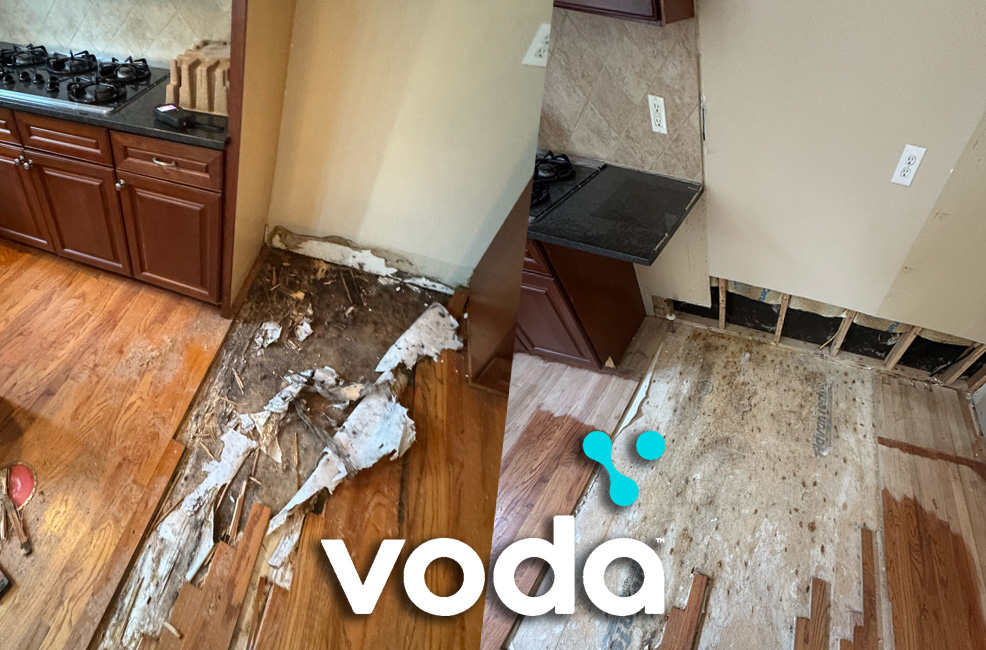
Pooling water spreads across floors first, slipping through plank seams and tile grout inside flooded rooms in Ranger, GA. Solid oak floorboards begin cupping within hours, laminate planks buckle at the edges, and plywood subfloors trap water against floor joists. Standard household fans only dry top surfaces while deep moisture continues rotting the subfloor underneath.
Crews set up negative-pressure drying mats and heated airflow panels across wet floors in your Ranger, GA home. Vacuum suction draws trapped water straight up through hardwood seams without tearing up salvageable wood planks. When burst pipes flood local storefronts or commercial offices across the region, specialized commercial restoration keeps business floors safe and operational.
Freezing winter lines or corroded copper joints split inside wall cavities across Ranger, GA homes, releasing fast-moving water across multiple rooms. Rusted tank bottoms give way inside utility closets or garages, dumping dozens of gallons of hot water across surrounding drywall and flooring. Rubber supply lines or clogged laundry drains overflow rapidly, soaking laundry room subfloors and adjacent hallway carpets.
Loose dishwasher valves and cracked refrigerator ice lines drip unseen behind lower cabinets until floorboards warp. Blocked septic lines or tree root intrusions push contaminated blackwater up through ground-floor tubs, showers, and toilets. Power outages during heavy North Georgia storms stop basement pumps from running, allowing groundwater to flood lower rooms. Clogged condensate drain lines inside attic or closet HVAC units overflow quietly across ceiling sheetrock and framing studs. High-volume water used to put out structure fires leaves gallons of trapped moisture underneath floors, requiring coordinated fire damage restoration and structural drying.
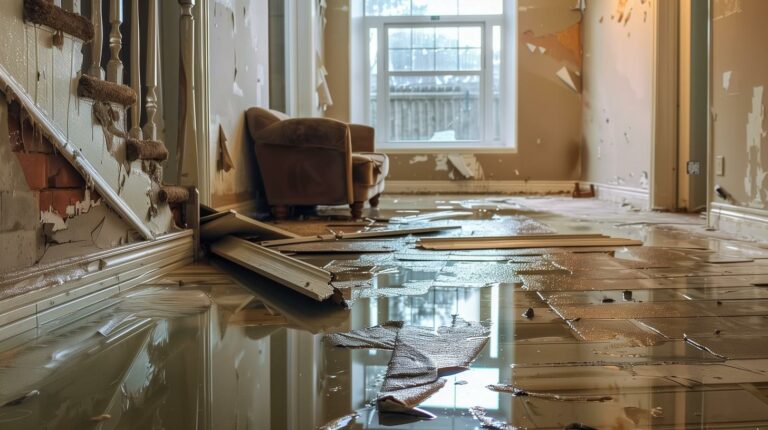
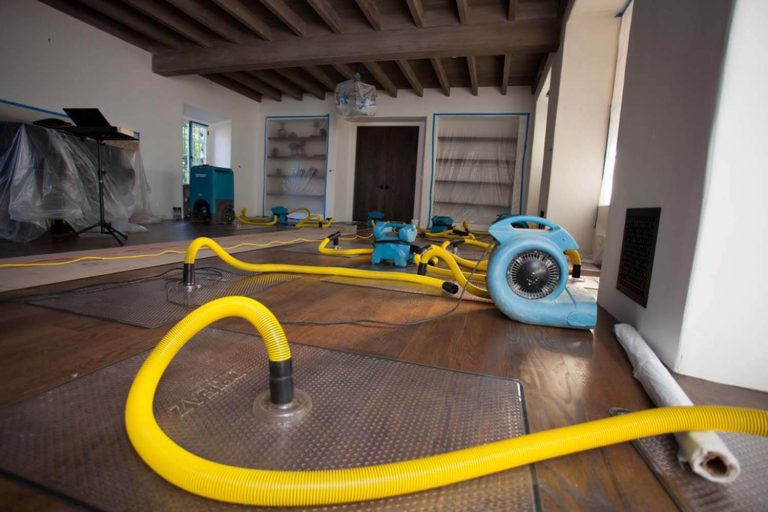
Every hour that standing water sits inside a house in Ranger, GA, increases structural repair costs significantly. Within minutes, liquid soaks into porous baseboards, furniture legs, and drywall sheets. Within twenty-four hours, particleboard cabinetry swells permanently, metal fasteners begin rusting, and soaked insulation loses all thermal value.
By the forty-eight-hour mark, warm Georgia humidity triggers active fungal spores inside damp walls across Ranger, GA properties. Extracting liquid immediately with commercial vacuum trucks often saves solid hardwood floors and custom cabinets from demolition. Insurance carriers also require prompt emergency water damage restoration to prevent avoidable secondary damage, protecting both your home and your claim coverage.
We answer calls 24 hours a day and aim to arrive within about an hour for emergencies in Ranger and Gordon County. Because our crews are local, you are not waiting on a team driving in from Ranger. Call as soon as you notice water, and we will tell you what to do while help is on the way.
Most water damage jobs take three to five days of drying, though larger losses or saturated hardwood can take longer. We place equipment on the first visit, then check moisture readings daily until the structure is fully dry. Repairs like drywall, paint, and flooring happen after that and depend on how much material needs replacing.
Most homeowners policies cover sudden and accidental water damage, such as a burst pipe or a storm driven leak. Gradual leaks, poor maintenance, and flooding from rising water are often excluded and may require separate flood coverage. We document everything with photos and moisture readings and work directly with your adjuster so your claim is supported.
Shut off the water supply if you can find the source, and turn off electricity to affected areas only if it is safe to reach the breaker. Move small valuables and furniture out of the water, and avoid walking on soaked carpet more than necessary. Do not use a household vacuum on standing water.
Mold can begin growing within 24 to 48 hours, and Georgia humidity speeds that up. Fast extraction and proper drying are the best prevention, which is why we use moisture meters instead of guessing. If mold is already present, we can test, contain the area, and remove it safely as part of the restoration.